Tuesday, May 21, 2024

Pasta and pea soup 


I also cook pasta and pea soup when I have little time and I want something warm and light. I make it with frozen peas, so I can cook it all year round, but fresh peas are fine (when it's in season) too. It is a very quick soup to make and that everyone likes, young and old. If you want to try it, here's the recipe. Enjoy your meal.

Ingredients

100 g frozen peas
100 g pasta (small for soups, you can also use ditaloni)
1 bouillon cube (classic)
700 ml water
1 pinch coarse salt
1 tablespoon mixed stir-fry (celery, carrot, onion)
extra virgin olive oil to taste

Preparation

Put the frozen sauté in a saucepan with a drizzle of oil and cook for 5 minutes. Add the peas, season for a couple of minutes; Cover with water, add the stock cube, a pinch of coarse salt and boil for 10 minutes. After 10 minutes, add the pasta and cook for the time indicated on the package. Your pasta and pea soup is ready to serve.
Serve hot with grated Parmesan cheese.


Pasta e Fagioli Soup 


I would say that a pasta and beans with canned beans is perfect! To tell the truth, the word "canned" makes quite an impression read in relation to one of my recipes. I don't use canned beans very much, but it's just to specify that even if you didn't remember to soak the beans the night before, you can prepare this pasta and beans anyway. Since you have no more excuses, run to prepare it 😉

Ingredients

1 carrot
1 small leek
1 celery stalk
2-3 stalks of parsley
1 medium onion
3 tbsp olive oil
30 g Butter
500 g Borlotti beans (drained)
200 g Tomato pulp
1 Nut
250 g Cannellini Beans (drained)
Salt
Pepper
160 g Short pasta ditalini type

Preparation

To prepare the bean pasta with canned beans, wash the carrot, leek, celery and parsley, chop coarsely and put in the mixer. Peel the onion, cut into 3-4 pieces and add to the other vegetables in the mixer. Turn on the mixer and chop everything very finely. If you want, of course, you can also chop the vegetables with a knife, it will just take a little more time. Do not wash the mixer, as you will need it to blend the beans. Then heat a large pot with high sides, with the oil and butter. When the butter has melted, add the chopped vegetables and fry everything for a few minutes over high heat, stirring occasionally. In the meantime, put the drained borlotti beans in the mixer together with the tomato puree. Puree. Add to the sautéed vegetables together with the stock cube, 1.5 liters of water and salt. Bring to a boil, stir and cook for approx. 1 hour over low heat, with the lid on. Then add the cannellini beans and cook for another 20 minutes, always over low heat and with the lid on. In the meantime, separately, cook the pasta in plenty of salted water. Drain when it is still al dente and add to the soup just before serving. Season with salt and pepper and serve your pasta and beans with hot canned beans, grated Parmesan cheese and a drizzle of raw olive oil, for those who like them.


Shrimp Curry 


Indian cuisine reflects the multicultural and creative character of the inhabitants of this vast subcontinent: in addition to popular vegetarian dishes, such as vegetable samosas, we find tasty recipes for both meat, such as chicken curry or tikka masala, and fish, the latter being very popular especially in the states along the coast. Today I offer you the shrimp curry, a typical seafood dish that combines the flavors and aromas of Indian spices with the pulpy texture of these shellfish, making them juicy and spicy at the right point! The preparation is not complicated and the ingredients are quite easy to find, but be careful: once combined in your wok they will form a delicious bright red sauce and you will be hit by an explosion of colors and scents, impossible to stop! Place the prawn curry in the center of the table together with a bowl full of rice pilaf and invite your friends to help themselves, to mix the preparations on the plate to their liking... with the right music you will feel part of a sumptuous banquet worthy of Bollywood movies and India will suddenly no longer seem so far away!

Ingredients

1 teaspoon garam masala
1/2 teaspoon ground cumin
1/2 teaspoon turmeric (or curry powder)
3/4 teaspoon salt
1/4 teaspoon red chili powder
1 1/2 tablespoons oil, divided
1 pound (500g) peeled Jumbo-sized shrimp, tails on or off

SAUCE
1 tablespoon cooking oil
1 tablespoon butter
1 onion, finely chopped
5 cloves garlic, minced
2 teaspoons minced ginger
1 1/2 teaspoons garam masala
1 1/2 teaspoons ground cumin
1 teaspoon ground coriander
1 teaspoon turmeric powder or curry powder
14 oz. (400g) can crushed tomatoes, or Passata for a smoother sauce
1/2-1 teaspoon red chili powder, adjust to your taste preference
1 teaspoon salt
1 1/2 teaspoons brown sugar
13.5 fl oz (400ml) can coconut milk, or coconut cream
2 tablespoons freshly chopped cilantro, to garnish

Instructions

For shrimp, combine spices in a bowl. Toss shrimp with the spices and 1 tablespoon of oil. Set aside. Heat 1/2 tablespoon of cooking oil in a large skillet over medium-high heat. Sear shrimp for only 1 minute on each side, then transfer shrimp to a plate. Set aside.

SAUCE

Heat remaining oil and butter in a large pan or skillet over medium-high heat. Fry onion until soft (about 3 minutes), scraping up any browned bits left over from the shrimp on the bottom of the pan. Add garlic and ginger; sauté until fragrant, about for 1 minute. Add in garam masala, cumin, ground coriander and turmeric (or curry powder). Cook stirring occasionally until fragrant, about 20 seconds. Add crushed tomatoes (or Passata), chili powder, salt, sugar and coconut milk/cream. Let simmer until slightly thickened, about 4 minutes. Stir in shrimp and let cook until the shrimp is fully cooked and warmed through, about 1 more minute. Take off the heat immediately. Garnish with chopped cilantro and serve with fresh garlic butter rice and homemade bread.


Seared Scallops with Garlic Butter


If you have to prepare a fish dinner and you want to amaze your guests by reinventing a traditional recipe, I know what to recommend: seared scallops with gourmet black garlic and lime sauce. The scallops prepared in this way will surely be a great success: be ready to ask for an encore!

Ingredients

1/2 cup couscous
2 teaspoons sesame oil
6 to 8 large scallops
Salt and pepper
2 limes
2 teaspoons dry sherry
4 gourmet black garlic cloves
2 teaspoons butter

Preparation

Prepare the couscous according to the instructions on the package.
Grate the zest of one lime and squeeze the juice of both limes into a small bowl and add the sherry. Finely chop 2 cloves of black garlic and add them to the lime and sherry mixture. Prepare the scallops by removing the small muscle, if it has not already been removed, and pat them dry. In a large non-stick skillet, heat the oil over medium-high heat until almost steaming. Add the scallops to the pan, flat side down, and let them cook for about 2 minutes until the bottom is golden brown. Flip the scallops and cook for 2 minutes on the other side. Remove the scallops from the pan and place them on a plate, they will be translucent in the middle, let them rest while you prepare the sauce. Pour the lime, sherry, and garlic mixture into the pan. Bring to a boil and cook for 3 minutes to reduce and concentrate the sauce. Add the butter and stir until melted and combined. Thinly slice the remaining 2 cloves of black garlic. Divide the couscous into equal parts on two plates, place the scallops on top of the couscous and place a slice of black garlic on each scallop. Finally, pour the sauce over the scallops and couscous. Enjoy your meal!


Friday, May 17, 2024

Risotto with asparagus and prawns


The asparagus risotto, together with the zucchini risotto, tinges our spring menus green! I chose to bring to the table a seafood variant: asparagus and prawn risotto! Creamy and delicate thanks to the creaming with fresh cheese, the asparagus and prawn risotto will be perfect for a different dinner than usual.

INGREDIENTS

Carnaroli Rice 320 g
Asparagus 400 g
Prawns 550 g
Copper onions ½
Vegetable broth about 1 l
Extra virgin olive oil to taste
Fine salt to taste
Black pepper to taste

TO CREAM
Cream cheese 70 g

PREPARATION

To make the asparagus and prawn risotto, first prepare the vegetable broth following our recipe and keep it warm. Peel the asparagus and boil them in a pot starting with cold water for about ten minutes from when the water reaches a boil. In the meantime, clean the prawns by removing the head and carapace, then cut the back and gently pull out the intestine. When the asparagus is cooked, coarsely chop the stems and set the tips aside. Transfer the stems to a mixer with a little of the cooking water and blend to obtain a homogeneous cream. Now peel and thinly slice the onion, then brown it in a pan with the oil for a few minutes. When the onion is wilted, add the asparagus cream. Add the rice as well and mix everything together for a couple of minutes, then start pouring a ladle of broth at a time. Cook the rice, adding the broth as needed. In the meantime, heat the oil in another pan, add the prawns and the asparagus tips and sauté for 2 minutes over high heat. Season with salt and pepper. When the rice is cooked, transfer the prawns and the asparagus tips to a nice pan and mix everything together. Turn off the heat and stir in the cream cheese, mix well and serve your asparagus and prawn risotto!

PRESERVATION
It is advisable to eat the asparagus and prawn risotto immediately. You can store it in the refrigerator for a day, in an airtight container.

ADVICE
If you wish, you can replace the cream cheese with butter or a dash of fresh cream to give creaminess to the asparagus and prawn risotto. Do you have any leftover prawns? Prepare a quick and easy main course like pan-fried prawns!


Risotto with asparagus 


Asparagus risotto is one of my favorite spring pasta dishes! So simple and genuine, it is the perfect recipe to enhance the delicate and unmistakable flavor of these delicious seasonal vegetables. Asparagus, in fact, is used in all its parts: the stalks cut into slices enrich the risotto, while the tips are transformed into a velvety cream to be added at the time of creaming for a perfectly wavy result. The toughest part of the stems is also used to prepare vegetable broth, a clever way to recycle waste that will give an even more intense and aromatic taste!

INGREDIENTS

Carnaroli Rice 320 g
Asparagus 750 g
Grana Padano 50 g
Butter 50 g
Shallot 1
Extra virgin olive oil to taste

FOR THE BROTH
Carrots 2
Celery 1 coast
Onions 1
Water 2 l
Fine salt to taste
Black pepper to taste
Extra virgin olive oil to taste

PREPARATION

To prepare the asparagus risotto, start by cleaning the asparagus: remove the hardest part of the asparagus with your hands, which you will use for the broth. Cut off the tips of the asparagus which will be used to garnish the risotto and cut the rest of the asparagus into thin slices. Wash the vegetables for the broth, then cut the celery into coarse pieces, carrots and the onion. Prepare the broth: pour the vegetables into a pot, add the hard stalks of the asparagus that you have kept aside. Cover with water and, starting from cold water, cook at least half an hour from boiling. Peel and finely chop the shallot. Sauté for a few minutes with a drizzle of oil, add half of your asparagus slices, cook for a couple of minutes, stirring occasionally, season with salt and cover with a ladle of broth. Now let it cook for about 5 minutes with the lid on. Then let it cool. Blanch the asparagus tips in salted water for a couple of minutes. Cool them in water and ice, so that they maintain a nice bright color and remain crisp. Meanwhile, the asparagus slices will be warm, blend them with 15 g of oil. You will have to get a smooth and nice green cream. Now you have all the components to start cooking the risotto: heat a drizzle of oil in a large pan. Toast the rice for 3-4 minutes, adding a pinch of salt. Sprinkle with the broth until the rice is covered and continue cooking, wetting as needed. Halfway through cooking, add the remaining asparagus slices and continue to cook the risotto, adding salt if necessary. Set aside a couple of tablespoons of cream. Once cooked, let it rest covered for two minutes. Stir in butter, grated cheese. Add ground pepper and a drizzle of oil and the remaining asparagus cream, stir vigorously. Serve the asparagus risotto piping hot, garnishing the plates with the asparagus tips kept aside.

PRESERVATION
Store the asparagus risotto in the refrigerator, in a tightly closed container for 2-3 days. Freezing is not recommended.

ADVICE
To understand how much asparagus stem to discard, just fold the asparagus which will break at the junction between the softest and toughest parts. If the stem is very thick, we recommend peeling it with a vegetable peeler to remove the harder outer part. I recommend blending the asparagus when cold so it doesn't darken. Do you have any leftover risotto? Au gratin in the oven with a few slices of provolone, you will get a delicious stringy flan!


PASTA WITH ASPARAGUS, SAFFRON AND BACON


A first course with spring colors and flavors: pasta with asparagus, saffron and bacon. Tasty and practical to prepare, to bring to the table a tasty and different first course. The combination with fresh pasta is ideal, especially with a type of long or curled pasta. To make pasta with asparagus, saffron and bacon you need:

Ingredients

350 g Fresh pasta
400 g Asparagus
80 g Smoked bacon
1 sachet of Saffron
20 g Butter
1 clove Garlic
1 Shallot
Salt
Pepper

Preparation

Trim the asparagus by cutting off the toughest part of the stalks. Wash them, peel them with a potato peeler and cut them into pieces, leaving the tips whole. In a saucepan, sauté the finely chopped shallot over low heat with a knob of butter, then add the chopped asparagus and tips. Let them brown for 2-3 minutes, season with salt and pepper to taste. Sprinkle with a ladle of water and continue cooking for 15 minutes. Keep the cooked asparagus tips aside and blend the mixture in a blender, then pour it into a bowl, keeping it aside. In a frying pan, sauté a clove of garlic with a drizzle of oil and the diced smoked bacon, until golden brown. After that, add the previously cooked asparagus tips and sauté for a few minutes, removing the garlic clove. Cook the pasta in a saucepan with plenty of boiling salted water, drain it well and al dente, keeping a ladle of cooking water aside. Dissolve the saffron in a small bowl with the cooking water. Pour the pasta into the pan with the bacon and asparagus tips, then add the asparagus cream and the saffron previously dissolved in the cooking water. Stir with the help of a wooden spoon, always in the same direction, in order to mix everything well. Transfer the pasta with asparagus, saffron and bacon to a serving plate and serve.


SCIALATIELLI WITH CLAMS AND CHERRY TOMATOES 


Scialatielli are a shape of fresh long pasta typical of Campania cuisine, shaped like large spaghetti but shorter, traditionally prepared by hand but can also be purchased in supermarkets. The basic dough of this fresh pasta is egg-free and is made with durum wheat semolina, water and a pinch of salt. It can be enriched with the addition of special ingredients such as vegetables, spices or aromas that give life to imaginative colored pastes. Generally, fresh pasta takes less time to cook than dry pasta, the only precaution will be to prevent it from sticking during cooking, by adding a tablespoon of extra virgin olive oil to the pot with water. For the realization of this recipe, such as mussels, lupins, clams, are ideal, in addition to being very tasty, they are generally low in calories and also rich in protein. To prepare scialatielli with clams and cherry tomatoes, you need...

Ingredients

350 g Scialatielli
1 kg Clams
2 cloves Garlic
1 bunch Parsley
Salt
6 tbsp extra virgin olive oil
1 cup white wine
Chili pepper
7-8 cherry tomatoes

Preparation

Put the drained clams in a pan with 2 tablespoons of extra virgin olive oil, a crushed clove of garlic and a little chopped parsley, cover and let the clams open over high heat, shaking the pan occasionally. Remove the clams that have remained closed and detach the clams from the valves, keeping a few whole clams aside, then filter the cooking liquid. In a saucepan, pour the extra virgin olive oil and the remaining garlic until golden, then add the chili pepper, the cherry tomatoes deprived of skin and seeds and cut in half, the clams with their cooking liquid and finally deglaze with a glass of white wine. Add a pinch of salt and continue cooking for a few minutes. In a pot with boiling salted water, cook the scialatielli al dente, drain them, put them in the pan with the clams and cherry tomatoes and mix everything. Add the remaining parsley and sauté over high heat for a minute. Transfer the scialatielli with clams and cherry tomatoes to the plates and decorate with the whole clams set aside. Serve the scialatielli with clams and cherry tomatoes while they are still hot.
Bon appétit and... See you next time!


Asparagus Soup 


Every year between the beginning of April and the end of June, the protagonist on Italian tables is undoubtedly the asparagus. According to legend, it was grown in the Land of Eden, and considered the food of happiness. Maybe it's because of its high content of serotonin, a feel-good hormone. Historical sources, however, date the birth of asparagus in Asia. The ancient Egyptians, first and then the Romans, cultivated asparagus so much so that the emperor Caesar Augustus was a lover of it. The emperor was such a connoisseur of the elegant vegetable, that he organized elite military units to get them. The famous "legions of asparagus" toured the empire to import the best varieties to Rome. Other military units carried them fresh high up in the snows of the Alps, where they could be frozen for later use. Springtime is synonymous with asparagus. Topped with sautéed asparagus and quail eggs, this beautiful yet simple asparagus soup is deliciously creamy. Serve it as a first course or a complete meal.

 INGREDIENTS

1 1/2 LB. of asparagus
2 CUPS of vegetable broth
12 quail eggs
1 of shallot, chopped
1 SPRING of thyme
2 TBSP. of unsalted butter
extra-virgin olive oil
salt
peppercorns

METHOD

Clean and trim 14 oz. Asparagus and cut into rounds. Melt 1 Tbsp. butter in a large pan over medium heat. Add asparagus rounds, shallot, thyme and broth. Cover and let cook for 10 minutes. Remove thyme and season with salt. Puree soup in blender. Trim remaining asparagus. Cut tips in half and stalks into thin strips. Sauté with 1 Tbsp. butter. Divide soup among bowls. Create three nests in each bowl with sautéed asparagus strips. Crack a quail egg yolk into each nest and garnish with asparagus tips. Drizzle with oil and top with freshly ground pepper.


Le spezie scadono? Quando è il momento di buttarli via?


Tutti ci siamo chiesti, almeno una volta, se le spezie scadono. Ecco la risposta alla data di scadenza delle spezie e alcuni consigli per conservarle al meglio. Vagano per anni nelle nostre dispense e spesso non ricordiamo nemmeno quando li abbiamo acquistati. Ma la domanda è: le spezie scadono? Capiremo in questo articolo come comprendere la data di scadenza delle spezie.

Questa è una difficile domanda a cui rispondere. Come avrete notato, molte spezie che usiamo in cucina riportano sul barattolo la data di scadenza preceduta dalla classica espressione: preferibilmente entro. La domanda sorge spontanea: fino a quando si potranno utilizzare le spezie oltre la data di scadenza? Per rispondere è necessario partire da una distinzione. Come tutti gli alimenti, anche le spezie sono soggette a deterioramento (in particolare, si deteriorano se esposte all'aria, al sole e all'umidità). Tuttavia, a differenza di altri ingredienti che possono diventare altamente tossici una volta raggiunta la data di scadenza, le spezie scadute non rappresentano un pericolo per la salute. L'unico effetto collaterale a cui si può andare incontro è quello di perdere le qualità organolettiche, risultando insapore e senza profumo.

Se dunque ti ritrovi con una dispensa piena di spezie che non usi da molto tempo, non cedere all'istinto di buttarle, ma capisci prima come le hai conservate e se può valere ancora la pena continuando ad usarli. Ecco alcuni consigli per conservare al meglio le vostre spezie e capire quando è davvero il caso di sbarazzarsene.

Controlla innanzitutto che le tue spezie abbiano conservato le loro caratteristiche: apri il barattolo e affina il tuo olfatto. Se riesci ancora ad annusarli, procedi con la vista e il tatto. Controllate che non siano presenti muffe o piccoli insetti e che il colore sia rimasto inalterato. Se però vi accorgete che l’odore è completamente svanito, potete star certi che il sapore non sarà più quello di prima. Aggiungerlo al piatto, quindi, anche se innocuo per la salute, sarà totalmente inutile. Altro accorgimento fondamentale è scegliere sempre le spezie intere, da macinare solo al momento dell'effettivo utilizzo. In questo modo le spezie possono conservare le loro caratteristiche fino a quattro anni, mentre una volta macinate i tempi si dimezzano. Questo perché il processo di macinazione accelera l'evaporazione degli oli essenziali in essi contenuti, riducendone notevolmente il sapore e l'aroma.

Se è vero che le spezie non scadono nel senso canonico del termine, è comunque utile conservarle al meglio per prolungarne le caratteristiche organolettiche. Scegliete barattoli di vetro che proteggano le vostre spezie dal caldo, meglio ancora se dotati di chiusura ermetica per non far entrare troppa aria. Teneteli lontani sia dal caldo che dall'umidità, un ripiano della dispensa lontano dai fornelli, ben riparati e bello, potrebbe essere perfetto. Le spezie macinate tendono a perdere il loro aroma e sapore più velocemente delle spezie intere. Si consiglia di conservarli in contenitori ermetici al riparo dalla luce e dall'umidità, preferibilmente in un luogo fresco e buio, come uno scaffale della dispensa. Evitare di esporli a fonti di calore e macinare solo la quantità di spezie necessaria all'uso immediato, in modo da mantenere intatte le proprietà aromatiche.

Per garantire la massima freschezza delle spezie, utilizzare contenitori di vetro con chiusura ermetica. Etichetta chiaramente i barattoli con il nome della spezia e la data di acquisto o di apertura. Conservare le spezie lontano da fonti di calore come stufe e luce solare diretta. Se possibile, macina le spezie al momento dell'uso per ottenere il massimo aroma e sapore. Anche se le spezie scadute potrebbero aver perso parte del loro aroma e sapore, possono comunque essere utilizzate in modi creativi. Prova a incorporarli in scrub per la cura della pelle fatti in casa, impacchi per il corpo o prodotti per la pulizia della casa. Sperimenta combinazioni di spezie per creare profumi e aromi unici in cucina. Ricordatevi sempre di fare una prova di freschezza prima dell'uso.

È importante comprendere la differenza tra la data di scadenza e la data di freschezza "da consumarsi preferibilmente entro". La data di scadenza indica il momento dopo il quale le spezie potrebbero perdere le loro proprietà organolettiche, ma non rappresenta un pericolo per la salute. D'altra parte, la data di freschezza "da consumarsi preferibilmente entro" indica il periodo durante il quale le spezie conservano il loro massimo aroma e sapore. Prestare attenzione ad entrambe le date ti aiuterà a mantenere la freschezza delle tue spezie.


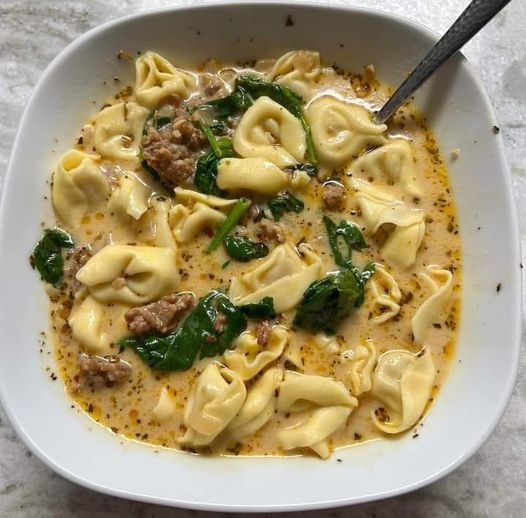
Sausage and Tortellini Soup 


A rich and hearty soup, a combination of strong flavors that go perfectly with strictly homemade ham tortellini which, in addition, perfectly collect the sausage sauce-based sauce and every bite will be an explosion of taste and pleasure. A real delicacy, a restorative dish and a concentrate of goodness made of passion and tradition. Here are the steps for tortellini soup.

Ingredients

200 g tortellini (with prosciutto)
2 sausages
300 g tomato puree 
Half an onion
Half rib celery
1carrot
Half a cup dry white wine
extra virgin olive oil
4 basil leaves

Preparation

To prepare the Tortellini with sausage sauce, first put a pan on the stove, pour in a drizzle and chopped celery, onion and carrot, add half a glass of water and stew until all the water has evaporated. Remove the casing from the sausage, cut into small pieces and pour it into the pan with the sauté and brown it well, stirring often. Deglaze with the white wine and, when it has completely evaporated, add the tomato puree, basil leaves, salt and pepper and cook, with the lid on, for about 15 minutes. In the meantime, put a pot with plenty of salted water on the stove in which we will cook the tortellini. Once they are almost cooked, drain the tortellini directly into the pan with the sauce, using a slotted spoon, and sauté them for a few minutes, adding a little cooking water if the sauce is too dry. Serve the Tortellini with sausage sauce immediately, accompanied by freshly grated Parmesan cheese, which each diner can add to their liking. Enjoy!
See you soon...
Tony


Piadina with Rocket Pesto, Artichokes, Stracchino and Ricotta

Is a gourmet proposal that combines goodness and lightness. The delicious homemade rocket pesto, the artichokes quickly blanched in acidulou...